How to start tattooing freehand
When I first started tattooing, drawing freehand felt like a dream — something I admired but wasn’t sure I could ever do.
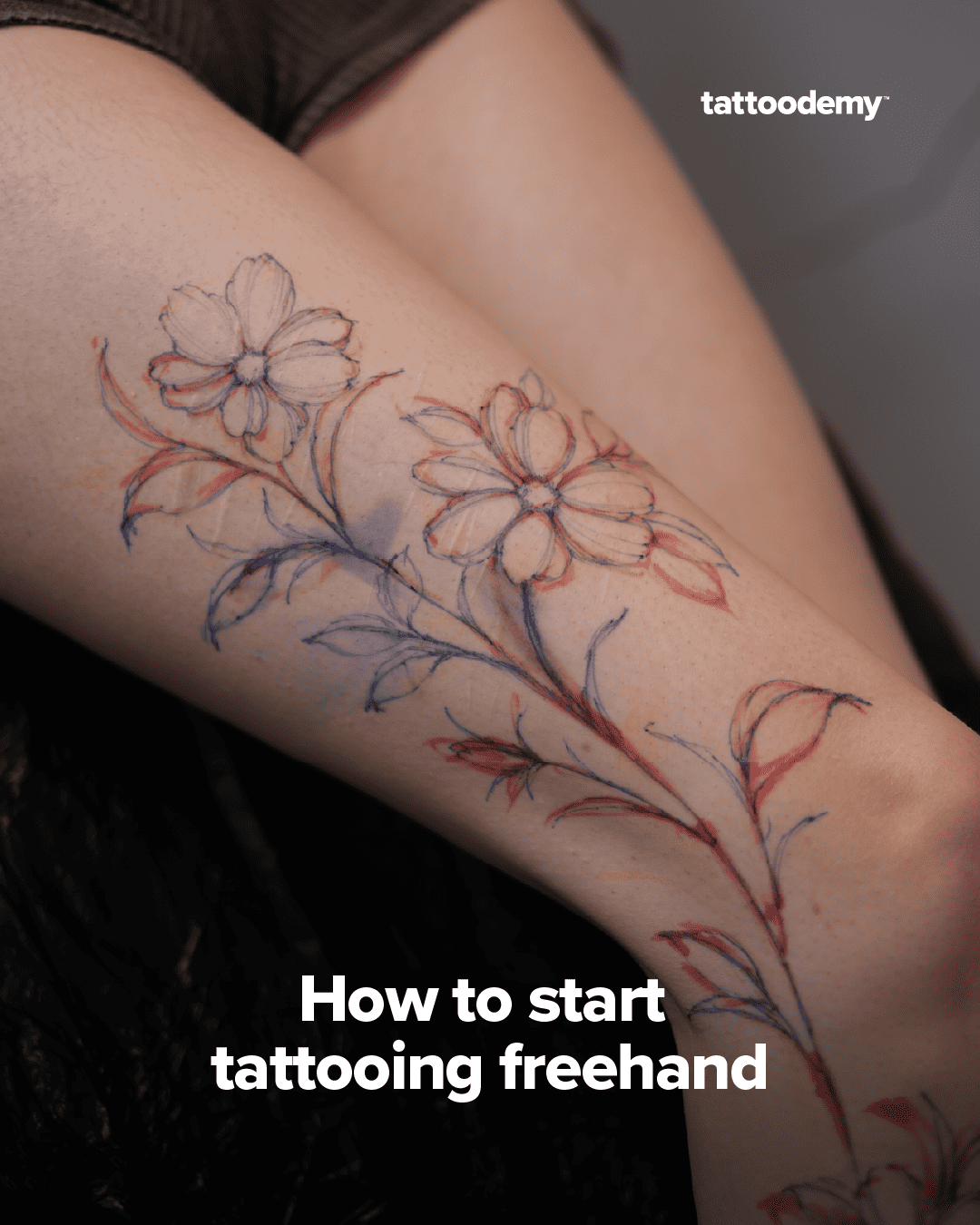
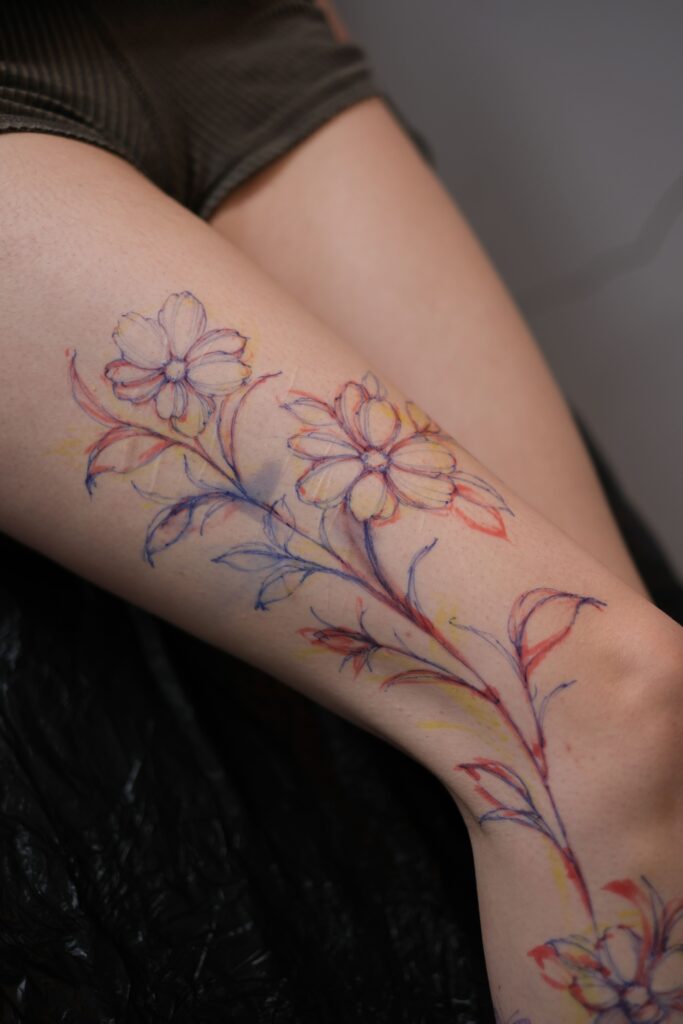
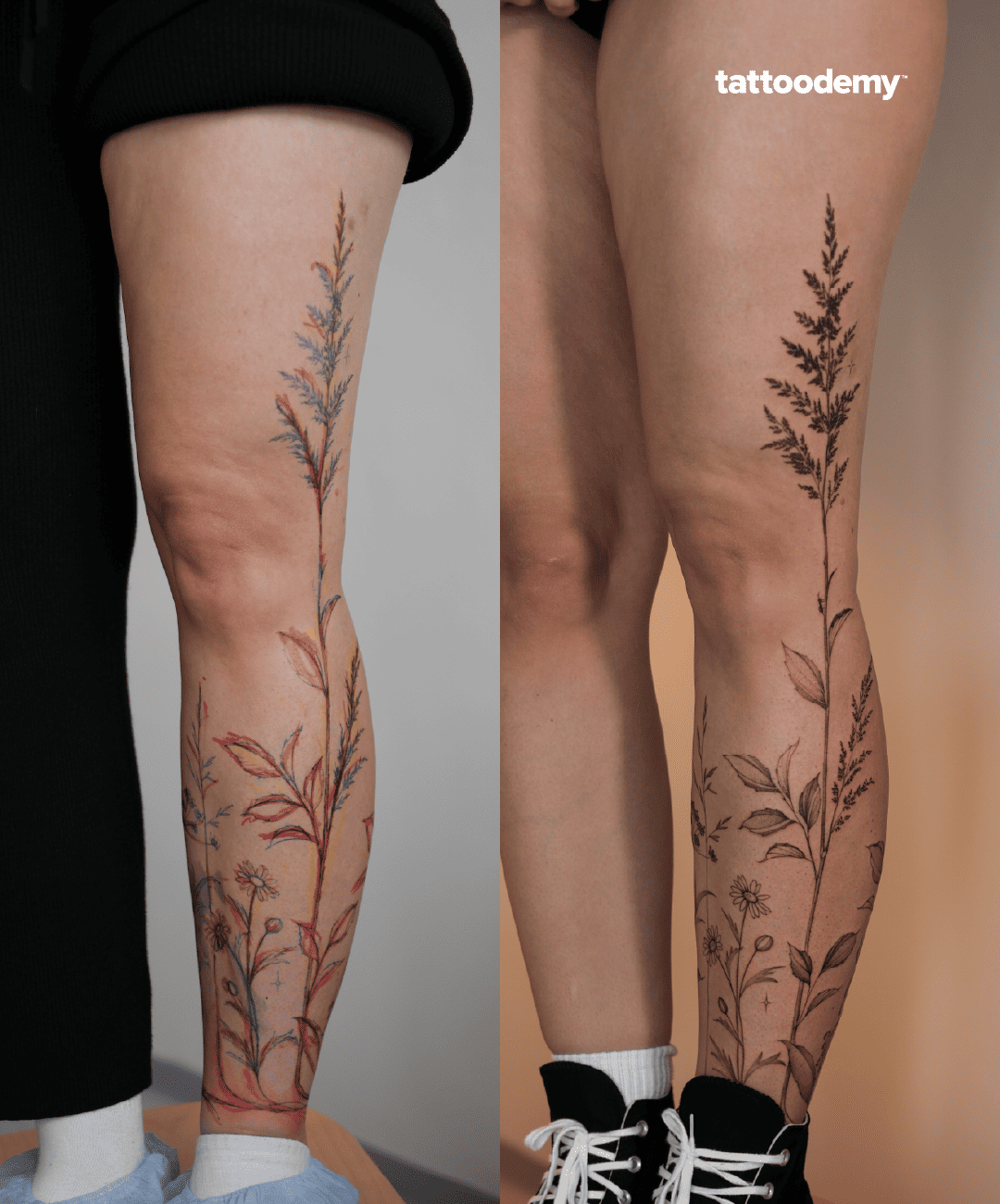
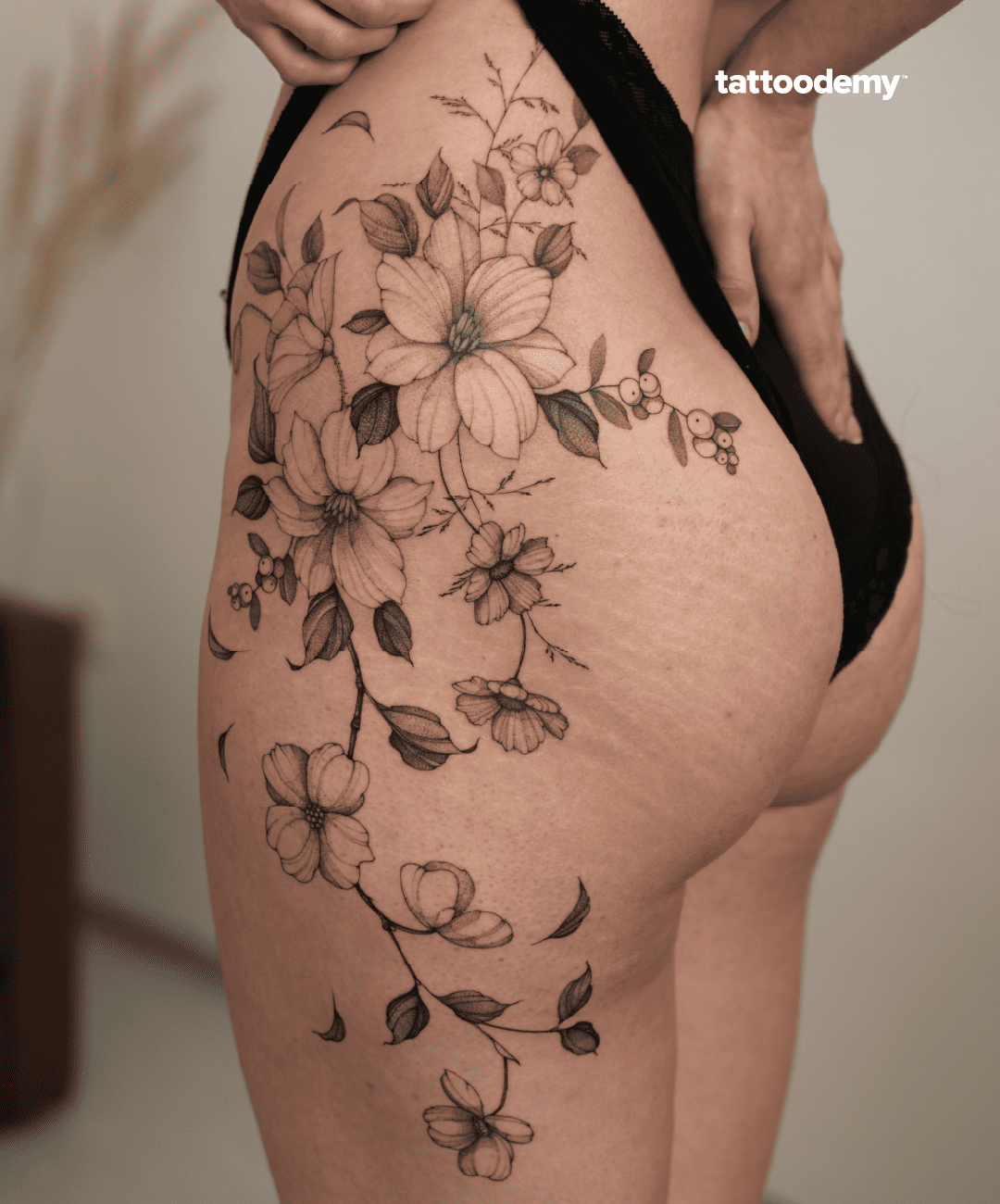
There are so many advantages to it: your designs fit the body perfectly, you can cover scars or old tattoos naturally, and you save time preparing designs at home.
But freehand tattooing also comes with more responsibility than working from a stencil. That’s why not every tattoo artist chooses to do it. Many prefer the comfort of designing on an iPad, where everything can be controlled and corrected — and that’s completely understandable. It has its own beauty and logic.
Still, if you’re drawn to freehand tattooing, and you’re not afraid of the challenge or the time it takes to learn, here are a few things that can help you start.
1. Get Enough Experience
Don’t rush into freehand.
If you’re a beginner, first spend enough time drawing and tattooing from stencils until you feel completely confident with your technique. You should be able to focus on the flow of your lines, not worry about how to fix them.
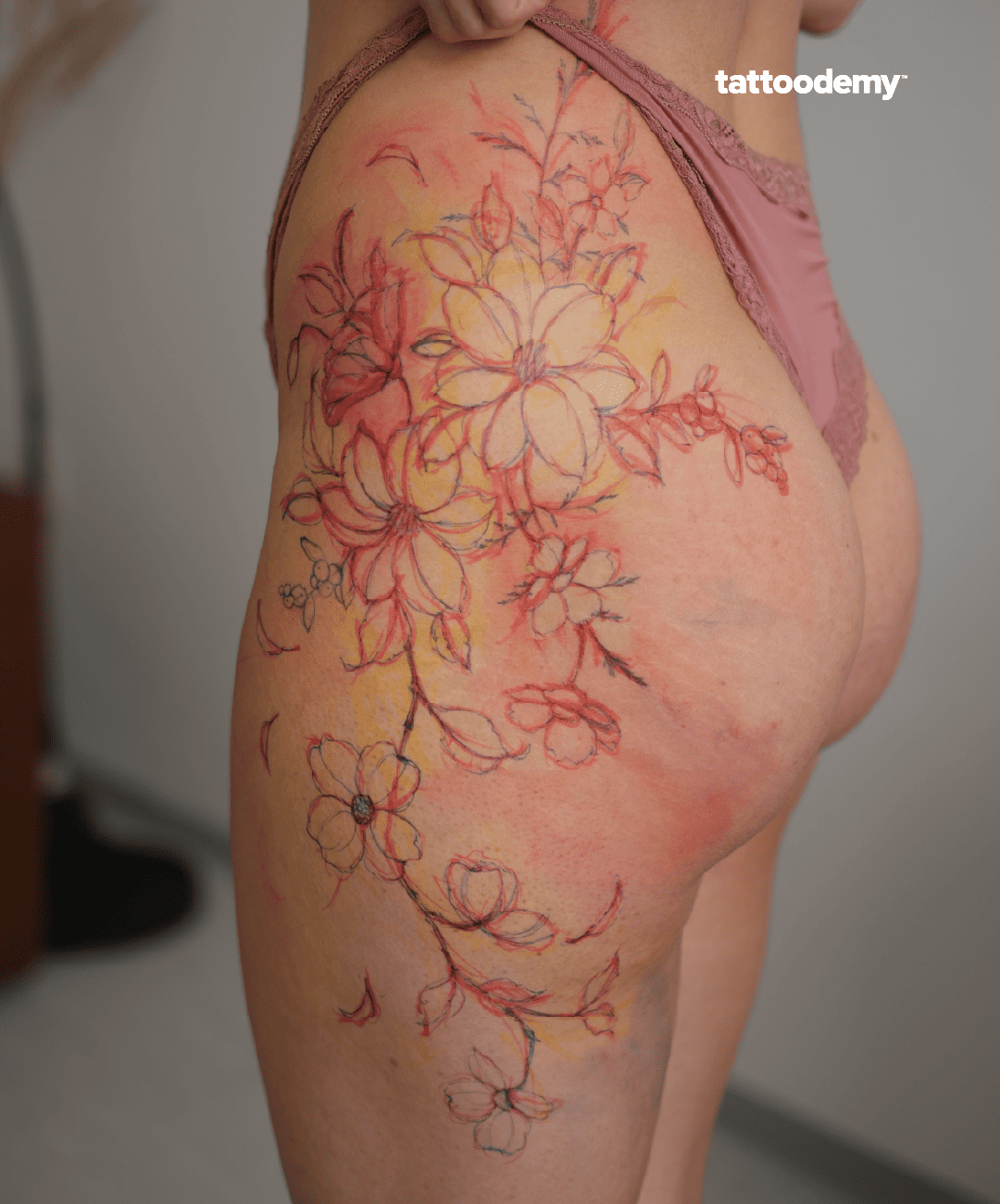
When you start drawing directly on the skin, things will get messy — and that’s part of it. Sometimes your sketch will fade or a line will disappear under your glove. You need to already know your subject well enough that even if part of the drawing smudges or becomes unclear, you can keep working confidently.
Remember, freehand lines rarely look as sharp or perfect as stencilled ones. That’s normal. What matters is that you can pull the lines with intention, not hesitation.
2. Choose a Subject
One thing that makes starting easier is to focus on one subject at first.
Later you can expand, but in the beginning, this gives you confidence and consistency.
Draw that subject on paper or tablet until it becomes second nature. Tattoo it often enough that you no longer rely on references — so that when you start drawing it on skin, even a rough outline tells you where all the details and shading will go.
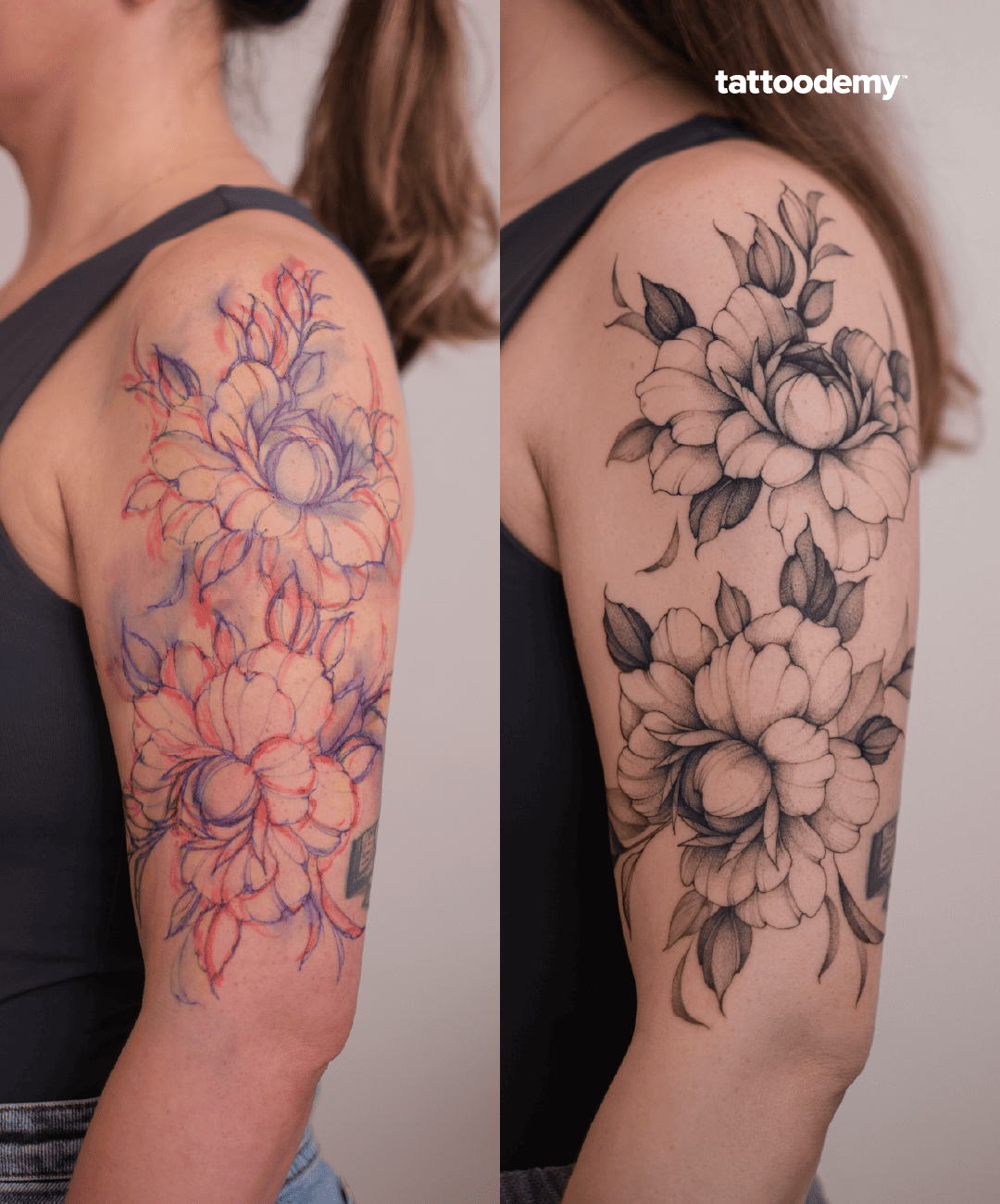
When I started freehanding, I focused on peonies. Over time, I tried more flowers, and now I can draw any plant directly on skin, even if I’ve never drawn it before. Once you truly understand the structure of your subject, drawing freehand starts to feel just like sketching on paper — only more alive.
3. Take the First Steps
The easiest and least stressful way to begin freehanding is to design your tattoo digitally first, then offer to draw it freehand on your client instead of using a stencil.
This way, you already have a clear plan and a visual reference to show them. They’ll feel reassured about what to expect, and you’ll have less pressure. If the freehand version doesn’t work or the client isn’t happy, you can always fall back on the printed design.
This approach gives you freedom to practice without risk — you’re learning the movement and rhythm of drawing on skin, while still having a safety net.
Final Thoughts
Freehand tattooing can look intimidating, but it’s one of the most rewarding ways to work. It teaches you to see the body as a living part of the design, not just a surface.
If you take your time, build experience, and approach it with patience, I’m sure you’ll succeed — and you’ll discover how natural and intuitive freehand drawing can feel.
5 tattoo artists < 15k followers you need to know
5 tattoo artists under 15k followers, selected by Tattoodemy, you need to know!
The day fashion got tattooed
For decades tattoos were considered the territory of sailors, criminals and rebels. Fashion looked t
Tattooing Over Scars
It’s possible to tattoo over scars, but to achieve effective coverage, it’s best to create a des